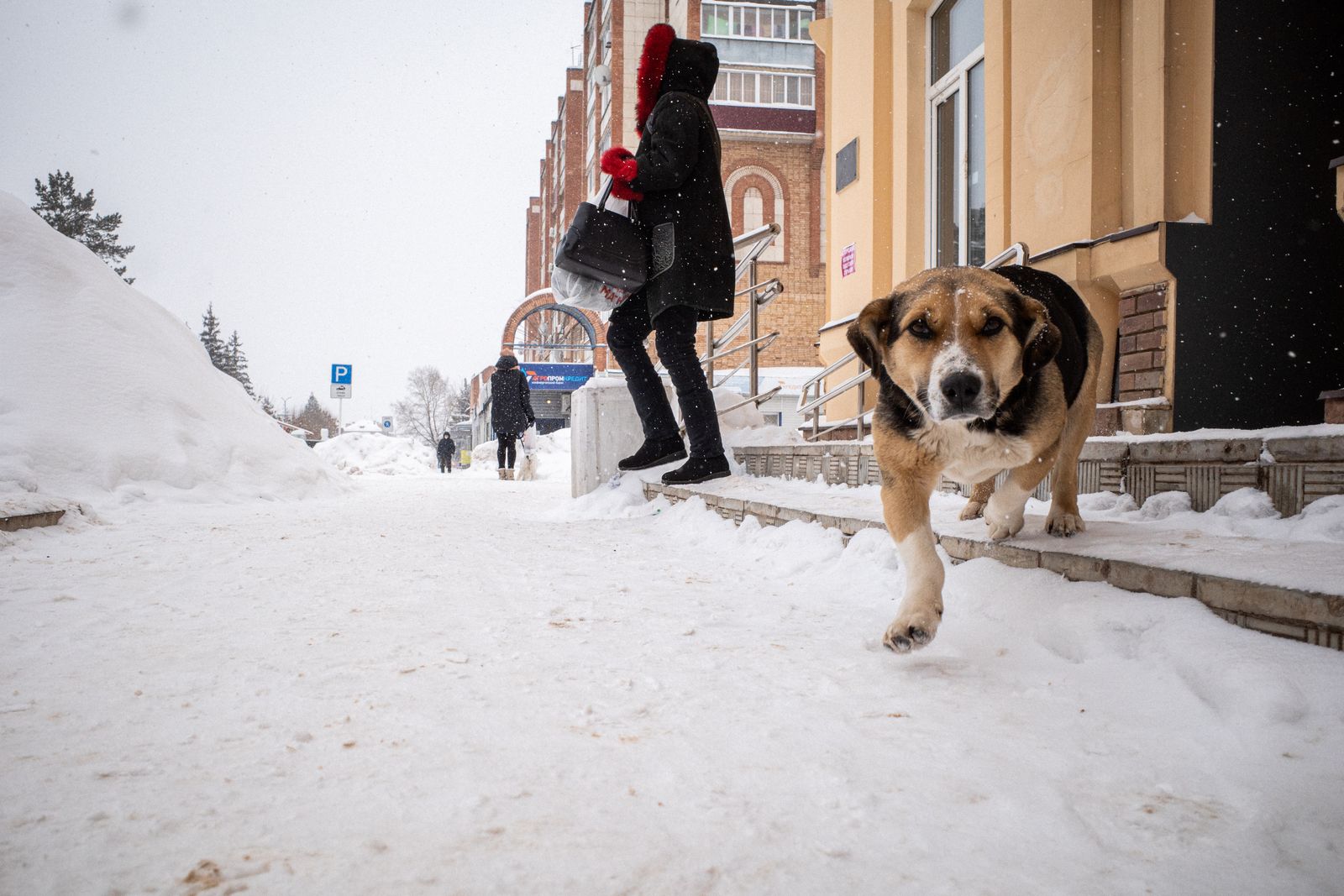
Quick answer: winter paw care is mainly about limiting contact with salt, de-icing chemicals, packed snow, and sharp ice, then cleaning and checking your dog's feet after each exposed walk. Choose a route and duration that suit the individual dog, consider well-fitting booties when conditions are harsh, and rinse or wipe the paws, legs, and belly when you return. Stop the walk if your dog repeatedly lifts a paw, limps, shivers, slows down, or refuses to continue.
Why winter ground can hurt a dog's paws
Frozen surfaces can be rough, and ice can hide sharp edges. Road salt and other de-icers may irritate the pads and skin between the toes. Cornell University College of Veterinary Medicine notes that ice and road salt can contribute to cuts or cracked paw pads, while de-icing products may also irritate the mouth or digestive system when a dog licks residue from the feet.
Cold tolerance is not the same for every dog. Age, body size, health, coat, acclimation, wind, and wet conditions all matter. There is no single outdoor temperature that is safe for every animal, so watch the dog in front of you rather than relying on a universal number.
Prepare before the walk
- Check each paw. Look for existing redness, cracks, swelling, or soreness before leaving. A damaged pad may worsen on frozen or chemically treated ground.
- Plan the route. Prefer cleared, well-lit paths with less visible salt or pooled de-icer. Avoid frozen water, unstable ice, and areas where vehicles may leak antifreeze.
- Consider paw protection. Well-fitting booties can reduce direct contact with salt and ice. Introduce them indoors, confirm that they do not rub, and watch that the dog can walk normally.
- Carry the basics. Bring a leash, waste bags, a towel for unexpected slush, and visibility gear for dark mornings or evenings.
Do not use a human skin product or an unlabeled household substance on the paws. If you want to use a paw protectant, choose an animal-safe product and follow its label; ask your veterinarian when the dog has allergies, skin disease, or an existing injury.
Watch your dog during the walk
Cornell lists shivering, lifting paws, reluctance to walk, a hunched posture, and seeking shelter among signs that a pet may be too cold. Turn back when behavior changes instead of trying to complete a planned distance. A short walk with indoor enrichment afterward can be safer than extending exposure.
Check for snowballs collecting between the toes or in long hair. Do not pull firmly on frozen clumps. Move to a warmer place and melt or loosen them gently. Keep the dog from licking roadside slush, spilled fluids, or treated surfaces.
Use a simple post-walk paw routine
- Pause at the door. Keep the dog from immediately licking the paws.
- Rinse or wipe exposed areas. Remove visible salt, de-icer, mud, and snow from the paws, lower legs, and belly. The ASPCA recommends drying the feet and stomach after walks and checking for cracks or redness.
- Dry carefully. Pat the pads and the spaces between the toes dry rather than rubbing sore skin.
- Inspect all four feet. Look for cuts, cracks, swelling, discoloration, tenderness, or debris. Notice repeated licking or a change in gait after the dog has warmed up.
- Record anything unusual. A photo and a short note about the route, weather, and symptoms can help a veterinary team assess a persistent problem.
Know the urgent winter hazards
Antifreeze can contain ethylene glycol, which Cornell describes as deadly even in small amounts. Treat suspected licking or ingestion as an emergency: prevent further access and contact a veterinarian or animal poison service immediately. Do not wait for symptoms or try a home remedy.
Prompt veterinary care is also important for suspected frostbite or hypothermia. Warning signs can include severe shivering or shivering that stops despite continued cold exposure, weakness, confusion, pale or discolored skin, collapse, or difficulty breathing. Move the dog to a sheltered place and seek professional instructions; avoid direct high heat on injured skin.
When to contact a veterinarian
Arrange veterinary advice for persistent redness, cracking, bleeding, swelling, pain, limping, repeated paw licking, discharge, or a wound that contains debris. Contact a clinic promptly if the dog will not bear weight, seems systemically unwell, or may have swallowed a de-icing chemical. Winter paw cleaning is preventive care; it cannot diagnose an injury, allergy, infection, toxin exposure, or cold-related illness.
Frequently asked questions
Should I wash my dog's paws after every winter walk?
If your route has salt, de-icer, slush, or packed snow, rinse or wipe the paws, legs, and belly after the walk and dry them well. Inspect the pads and spaces between the toes while you clean.
Are pet-friendly ice melts completely safe?
No. A product described as pet-friendly can still irritate paws or cause problems if licked or swallowed. Prevent ingestion, follow the label, and contact a veterinarian if exposure or symptoms concern you.
Does every dog need winter booties?
Not every dog needs them, but well-fitting booties can reduce contact with salt, ice, and rough frozen ground. Fit and tolerance matter, so introduce them gradually and remove them if they rub or change the dog's gait.
When should winter paw irritation be checked by a veterinarian?
Contact a veterinarian for persistent redness, cracks, bleeding, swelling, pain, limping, repeated licking, or suspected chemical ingestion. Seek prompt care for possible antifreeze exposure or signs of frostbite or hypothermia.
Related reading
Pair shorter winter outings with our dog enrichment and sniffing games, adapt activity using the senior dog daily routine guide, and review common food hazards in Are Bones Safe for Dogs?
Sources
- Cornell University College of Veterinary Medicine: Winter Safety Tips
- ASPCA: Cold Weather Safety Tips
Educational guidance only; it does not diagnose or treat an injury, illness, or toxin exposure. The photograph is a licensed Pexels stock image by Dmitry Egorov, used as a general winter-walk illustration; it is not a Paw After Tale customer, product, clinic, or treatment result.