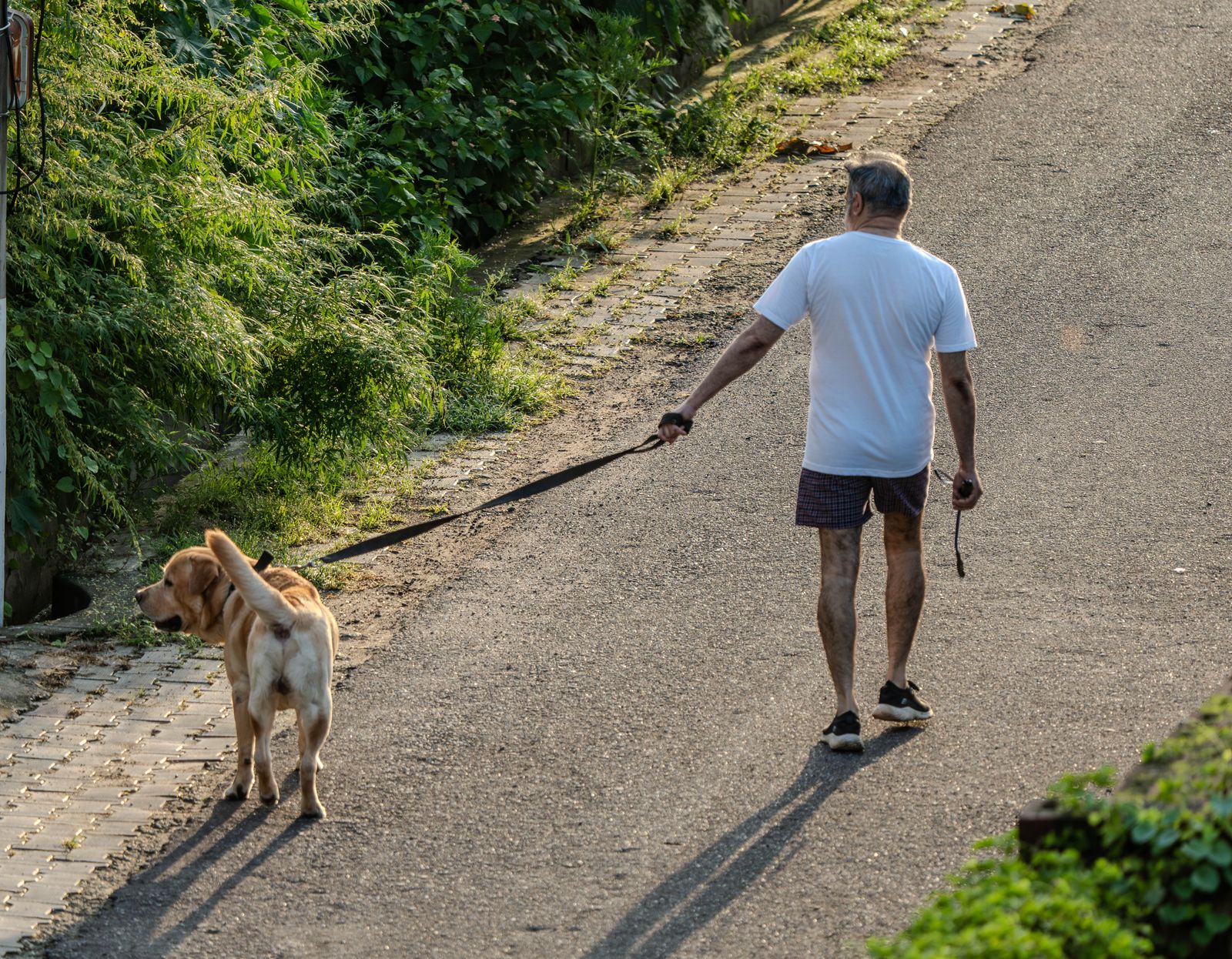
Quick answer: good dog enrichment gives a dog safe chances to sniff, search, chew, move, rest, and make small choices. It does not mean over-exercising or adding chaotic excitement. For many dogs, five to ten minutes of calm scent work or a simple food-search game can be more useful than another burst of high-speed play.
Why sniffing is useful
Dogs gather a lot of information through scent. A slow sniffing walk, a scatter-feeding game, or a hidden treat search can give the brain a job without demanding athletic movement. This is especially helpful for older dogs, nervous dogs, and dogs who become too excited during rough play.
Easy enrichment ideas at home
Start with safe and simple activities: scatter part of a meal on a clean mat, hide a few pieces of normal food in a towel fold, place a treat under one of several cups, or let the dog sniff a new walking route slowly. Use the dog regular food when possible so enrichment does not become extra calories.
Chewing and licking can be calming
Some dogs relax with safe chewing or licking activities, but supervision matters. Choose items appropriate for the dog size, chewing strength, dental health, and diet. Remove cracked, sharp, or swallowable pieces. If a dog guards food toys, eats non-food materials, or has medical diet limits, ask a veterinarian or qualified behaviour professional before adding food puzzles.
Signs enrichment is not working
More activity is not always the answer. Watch for frustration, guarding, frantic barking, vomiting, limping, obsessive searching, or inability to settle. A good enrichment plan should leave the dog calmer or more satisfied, not more wired. If behaviour changes suddenly, check for pain, illness, fear, or changes in the home routine.
Keep sessions short and repeatable
A useful enrichment plan is easy to repeat. Try one small activity before a normal rest period, then note whether the dog settled faster, searched calmly, or became more excited. Keep the activity short enough that the dog can finish successfully. For multi-dog homes, separate food-search games can prevent competition and help each dog work at a comfortable pace.
Related guides
For older dogs, pair enrichment with How to Build a Safe Senior Dog Daily Routine. For chew safety, read Are Bones Safe for Dogs?. For food and age, see How Pet Food Needs Change by Life Stage.
Sources and further reading
- RSPCA: Dog enrichment
- American Kennel Club: Indoor scent games for dogs
- AVMA: Dog bite prevention and body language awareness
Informational notice: This article is educational and is not a behaviour diagnosis or training plan. Ask a veterinarian or qualified behaviour professional if fear, pain, aggression, guarding, or sudden behaviour change is present.