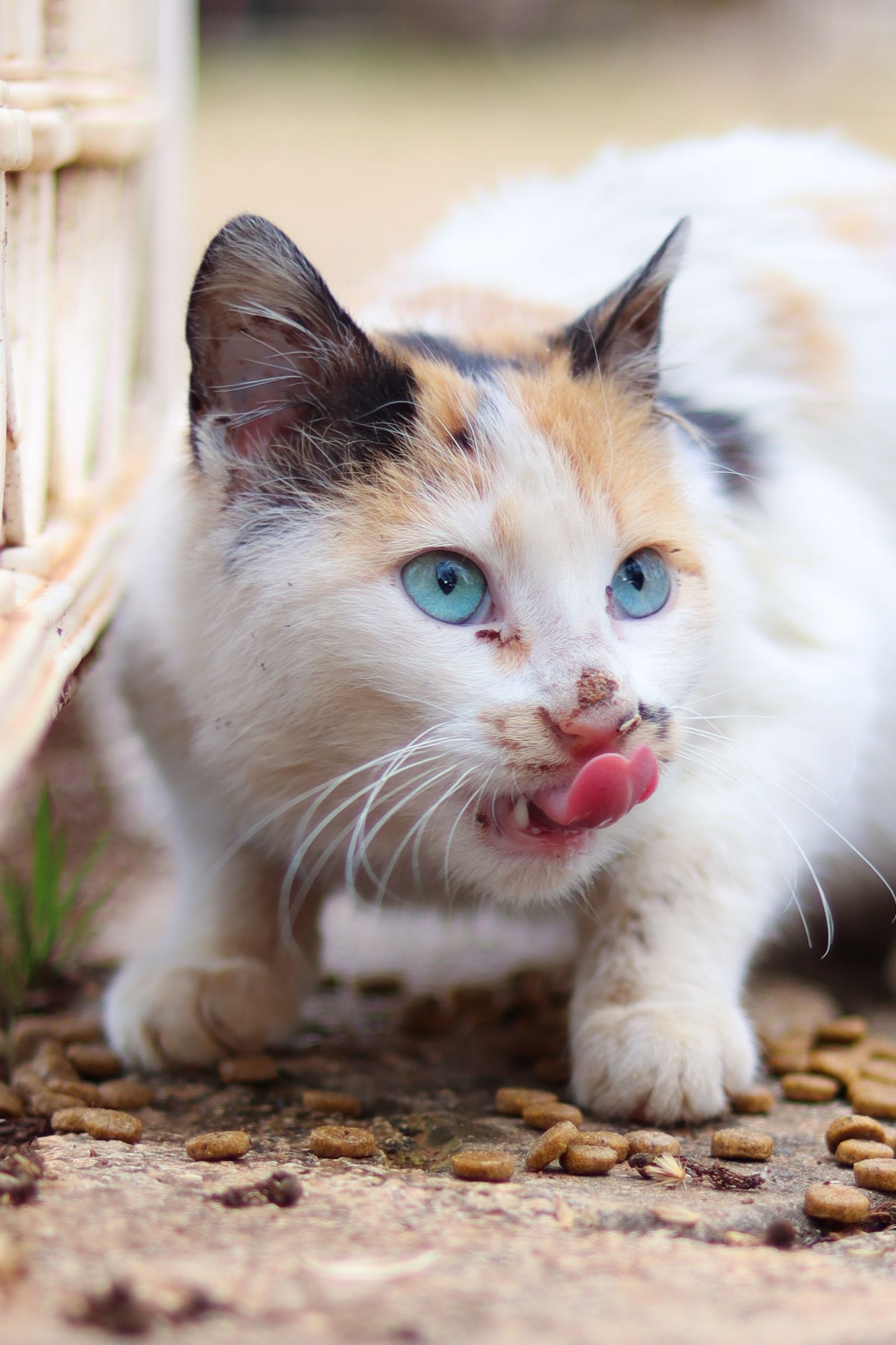
Quick answer: choose a food labelled as complete and balanced for the right species and life stage, then adjust the plan with a veterinarian when your pet is growing, pregnant, nursing, aging, very active, or living with a health condition. Life stage is a useful starting point, not a substitute for observing the individual animal.
Labels and terms vary by country, so read the nutritional adequacy statement rather than relying only on marketing words such as “premium” or “natural.” The Association of American Feed Control Officials (AAFCO) explains that foods are formulated for defined nutritional profiles such as growth, maintenance, gestation, and lactation. A local veterinarian can help interpret a label for a pet with allergies, kidney disease, dental pain, or unusual weight change.
Growth: puppies and kittens
Young animals are building bone, muscle, organs, and immune function. They generally need a diet designed for growth rather than an adult-maintenance recipe. Large-breed puppies have additional reasons to follow professional feeding advice because both underfeeding and excessive growth can create problems. Kittens also have species-specific needs; never substitute dog food for cat food as a routine diet. Portion guidance should be checked against body condition, stool, activity, and veterinary advice.
Adult maintenance
An adult pet’s goal is usually stable body condition, comfortable digestion, normal energy, and enough nutrients without excess calories. Measure portions, keep treats in the overall plan, and review the label when the product or country changes. Two pets of the same age can need different amounts because size, activity, neuter status, and health differ. A shiny coat alone cannot prove that a diet is right.
Pregnancy and nursing
Pregnancy and lactation can change nutritional demands quickly. Do not improvise calcium or vitamin supplements: excessive nutrients can also cause harm. A veterinarian should set the transition and feeding plan, especially for a small animal, a large litter, poor appetite, or previous pregnancy complications. Keep clean water available and monitor the mother’s weight and behavior.
Senior years are not a single birthday
Dogs and cats age at different rates, and breed or size can change when age-related needs appear. Some older pets need help maintaining muscle; others need a calorie adjustment, dental support, or a diet for a diagnosed condition. The AAHA senior nutrition guidance recommends looking at body and muscle condition rather than using a one-size-fits-all rule. Review appetite, thirst, stool, mobility, and weight with a veterinary professional.
A simple label-and-observation checklist
- Confirm species and stated life stage.
- Check the complete-and-balanced statement for your region.
- Measure food and record treats for a week.
- Watch weight, muscle, stool, appetite, thirst, and comfort.
- Book a veterinary review when a change is persistent or sudden.
Related guide
If your pet is getting older, read Senior Pet Nutrition: What to Watch First. For rabbits, the diet principles are different; see our rabbit care guide instead of applying dog or cat advice.
Sources and further reading
- AAFCO: Selecting the right pet food
- AAHA: Senior nutrition guidance
- FDA: Potentially dangerous items for pets
Informational notice: This article is educational and is not veterinary diagnosis or treatment. Product labels and regulations differ by region. Contact a qualified veterinarian for individualized advice, urgent symptoms, or a pet with a medical condition.