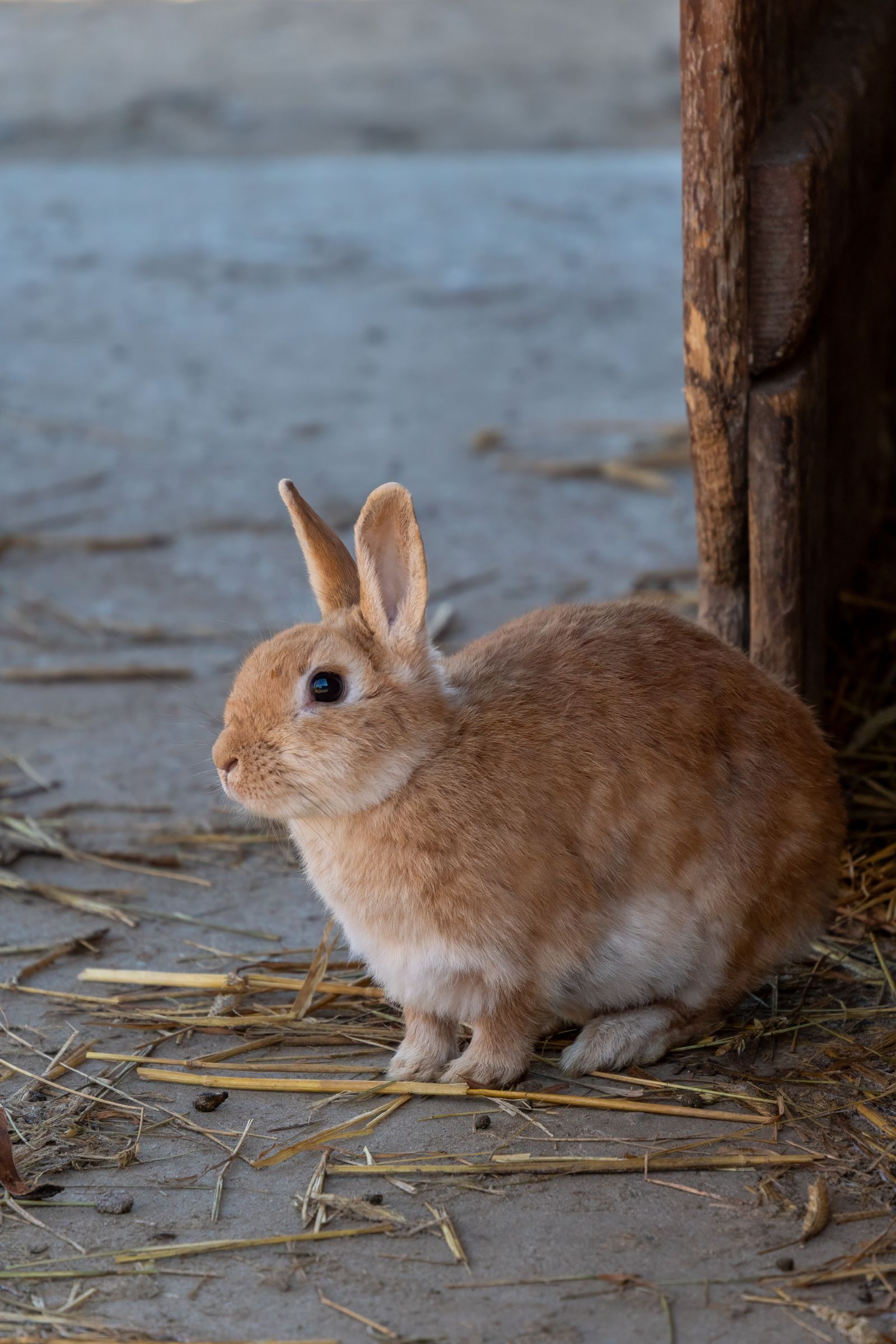
Quick answer: for most healthy adult rabbits, good-quality hay or grass should be available all the time, with clean water and suitable leafy greens. Pellets and treats should be chosen for the rabbit’s age and condition, not used as a substitute for hay. The RSPCA rabbit diet guidance emphasizes constant hay or grass, fresh water, and careful introduction of new foods.
Why hay and grass come first
Long fibre supports normal digestion and helps wear down continuously growing rabbit teeth. Offer clean, dry hay in several easy-to-reach places so eating is part of normal movement. Outdoor grass must be free from poisonous plants and chemicals. Never make a sudden switch from a familiar diet to a large amount of a new green food.
Fresh greens, pellets, and treats
Introduce leafy greens one at a time and watch droppings and appetite. A rabbit may enjoy herbs and safe leafy vegetables, but fruit and root vegetables are sugary treats rather than a main food. Avoid muesli-style mixes that encourage selective eating. Pellets should be a suitable, measured product for the individual rabbit; a rabbit-experienced veterinarian can advise on age, weight, dental disease, pregnancy, or recovery.
Water and daily observation
Provide fresh water in a clean bowl or bottle that the rabbit can use reliably. Check every day that the rabbit is eating, passing normal droppings, moving comfortably, and behaving normally. Reduced appetite or fewer droppings can become urgent quickly in rabbits. Do not wait for a homemade remedy to work: contact a veterinarian experienced with rabbits.
Young, pregnant, and senior rabbits
Growing rabbits and nursing mothers do not have exactly the same requirements as healthy adults. Older rabbits may need a veterinary review for dental wear, arthritis, weight loss, or difficulty reaching hay. The RSPCA senior rabbit guidance recommends maintaining hay or grass access and introducing any age-specific food gradually. A clinical hay paper from Rabbit.org also describes hay as a dietary staple while explaining why fibre matters.
A safe change checklist
- Write down the current hay, greens, pellets, and treat routine.
- Change one item at a time in a small amount.
- Keep hay, water, and a quiet eating place available.
- Monitor droppings, appetite, weight, and energy.
- Call a veterinarian promptly for not eating, marked lethargy, pain, or unusual droppings.
Related guide
Do not transfer rabbit advice to dogs or cats. For those species, start with How Pet Food Needs Change by Life Stage and Senior Pet Nutrition.
Sources and further reading
Informational notice: This article is educational and is not veterinary diagnosis or treatment. Rabbit illness can progress quickly; contact a qualified rabbit-experienced veterinarian for individual or urgent care.