Quick answer: keep holiday dishes, desserts, drinks, leftovers, and rubbish beyond your dog's reach. Ask guests to give no table scraps and nominate one person to manage the dog's normal meals and approved treats. If your dog may have eaten something toxic, call a veterinarian promptly, even if the dog currently looks well. A clear household plan helps during Thanksgiving, Christmas, and other busy gatherings.
Agree on the feeding plan before guests arrive
Cornell recommends keeping regular meals and walks as consistent as possible and reminding visitors not to offer food from the table. Write the feeding plan somewhere the people helping you will actually see it. Include the dog's usual food, the person responsible, and any existing veterinary dietary instructions.
A simple message works: ��Please ask before giving the dog any food. We have their own treats ready.�� Tell children and overnight visitors as well as the main cook. If several people each offer a little, nobody has a clear picture of what the dog has eaten.
Check ingredients, not just the dish name
According to the ASPCA, grapes and raisins can harm dogs' kidneys; onions, garlic, and chives can damage red blood cells. Chocolate and caffeine can also cause poisoning. Alcohol and raw yeast dough are unsafe. Stuffing, fruit desserts, sauces, and drinks may contain ingredients that are hard to identify by looking at the finished dish.
Make an ingredient record while cooking rather than trying to reconstruct a recipe after a problem. Keep the packaging for bought desserts and sweets. When a guest brings food, ask them to keep the label or recipe available. This is particularly useful for mixed dishes with several fillings or toppings.
Watch for xylitol and rich leftovers
The FDA warns that xylitol, sometimes labelled birch sugar or wood sugar, may appear in sugar-free sweets, gum, baked goods, and some peanut butters. Suspected ingestion needs an immediate veterinary call. Rich scraps such as meat fat and poultry skin can cause digestive upset or pancreatitis. Avoid using gravy or fatty leftovers to make the dog's usual meal more festive.
Do a quick walk around the room before serving. Look at low tables, open bags, serving trays, and chairs where someone may leave a plate. Keep the same arrangement during dessert: clearing the main meal does not remove every food hazard.
Use a kitchen-to-bin checklist
Give one adult responsibility for each stage so that ��someone will do it�� does not become a gap in the plan:
- Preparation: keep ingredients and mixing bowls inaccessible; collect dropped food as you go.
- Serving: place dishes beyond reach and remind guests about the feeding rule.
- Clearing: move used plates directly to a secure clearing area rather than leaving them on low tables.
- Packing: close leftover containers before stepping away and put them into suitable storage.
- Disposal: secure the rubbish container and check that nobody has left a food bag beside it.
The FDA highlights both bones in rubbish and snack bags as hazards: bones can injure or obstruct the digestive tract, while a bag over a dog's head can cause suffocation. Keep empty packaging inaccessible too.
Give your dog a quieter option
Cornell suggests a comfortable retreat away from holiday noise and activity. Decide where your dog can rest before the room becomes crowded. Show guests that space and explain when the dog should be left alone. Keep usual care responsibilities clear even when the people in the house change.
For a practical handover, leave a short note with the dog's normal meal time, the designated caregiver, and your veterinary contact. Avoid relying on a conversation that one visitor may miss. Recheck the kitchen and rubbish after the last guest has left.
What to do if your dog gets into food
Prevent further access and call your veterinarian or an emergency veterinary clinic for suspected harmful ingestion. The ASPCA advises noting the amount eaten. Tell the clinic what the food was, its ingredients if known, the approximate time and amount, your dog's weight, and any symptoms. Keep the packet or recipe for reference. Say clearly when an amount is unknown instead of guessing.
Difficulty breathing, collapse, seizures, or choking require emergency veterinary help. Vomiting, weakness, pain, or unusual behavior after an exposure also need prompt advice. Do not wait for every warning sign to appear. Home remedies and attempts to make the dog vomit should only be used if a veterinary professional specifically instructs you.
Frequently asked questions
Can guests give my dog a small holiday treat?
Ask guests to check with the designated caregiver first. Use the dog's approved treats and follow any existing dietary instructions.
Is sugar-free food safe for dogs?
No. Some sugar-free products contain xylitol, which is toxic to dogs. Check the ingredient label and call a veterinarian immediately after suspected ingestion.
Should I wait for symptoms after a possible poisoning?
No. Contact a veterinarian promptly with the food, ingredients, amount, and time if known. A dog that looks normal may still need assessment.
Are empty snack bags a concern?
Yes. A dog can put its head inside a bag and suffocate. Store food bags securely and put empty ones in inaccessible rubbish.
Related reading
Review bone hazards for dogs, plan quieter activities with dog enrichment and sniffing games, and adapt a busy day with our senior dog routine guide.
Sources
- FDA: Keep Your Dogs and Cats Safe From Holiday Hazards
- Cornell University College of Veterinary Medicine: Holiday Hazards for Dogs
- ASPCA: People Foods to Avoid Feeding Your Pets
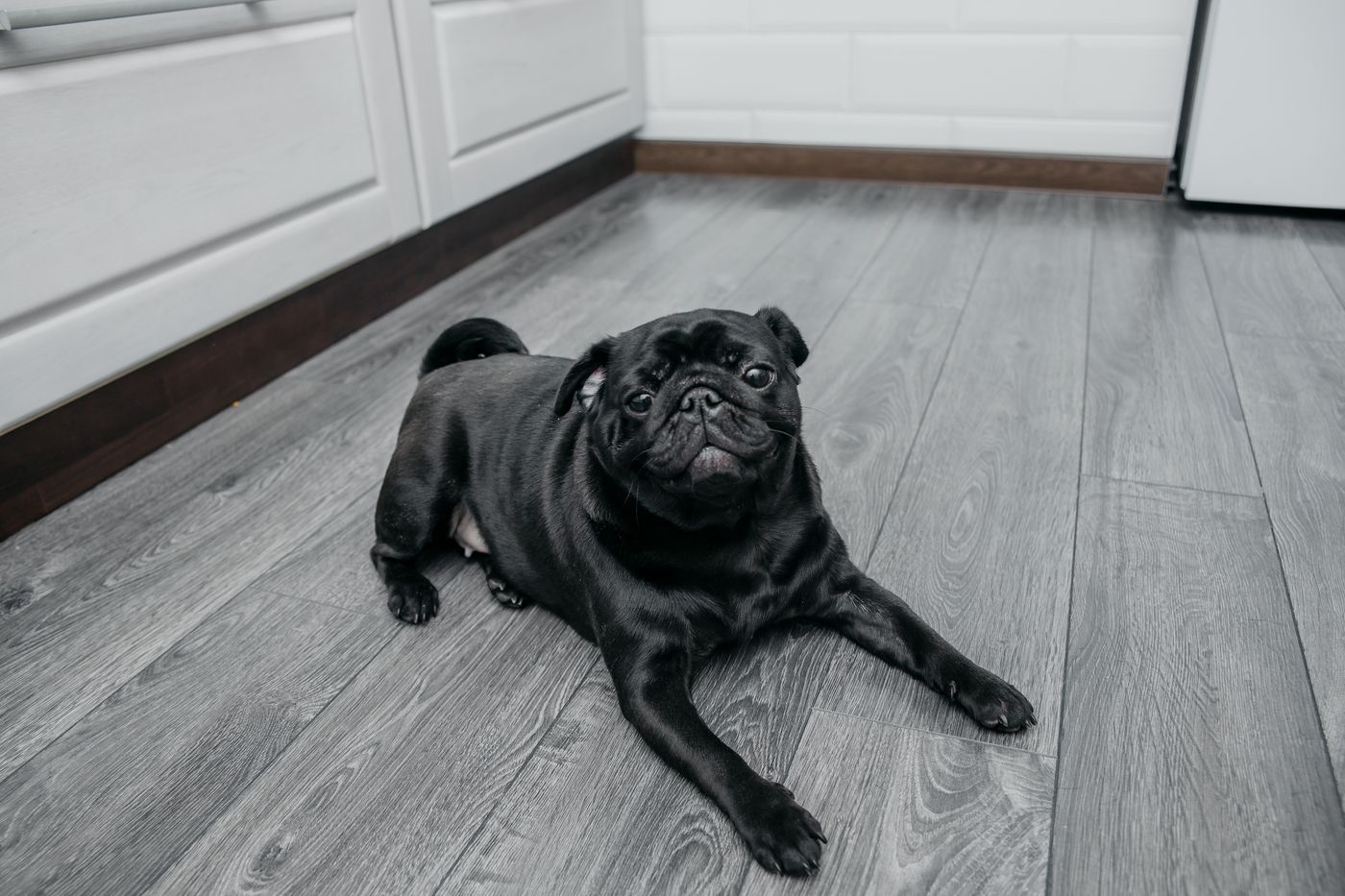
General education only; this guide cannot assess an individual exposure or replace veterinary care. Photograph: Ivan Babydov via Pexels, used as a general home illustration, without implying a customer, product, or treatment result.